CadenceMultipurpose WordPress Theme
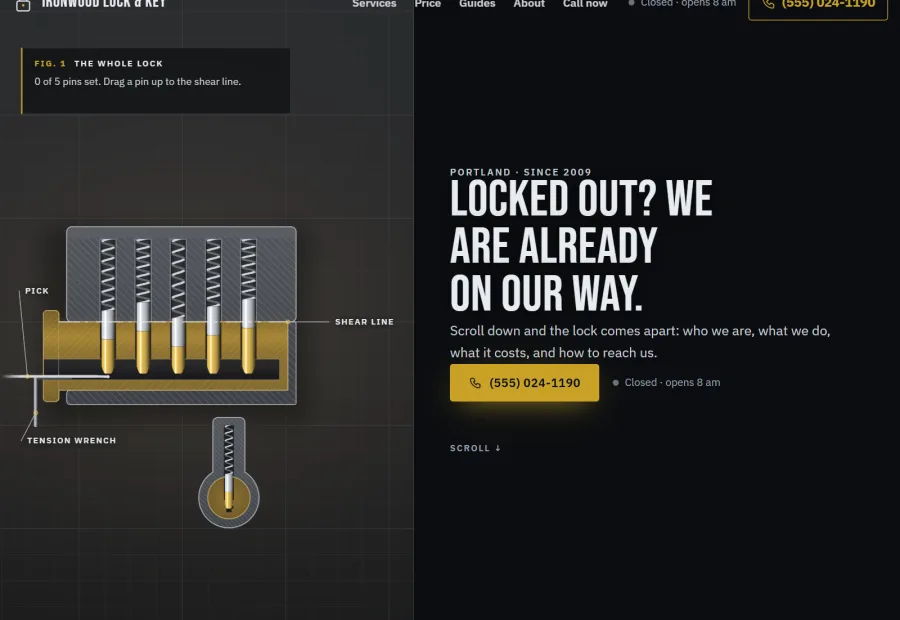
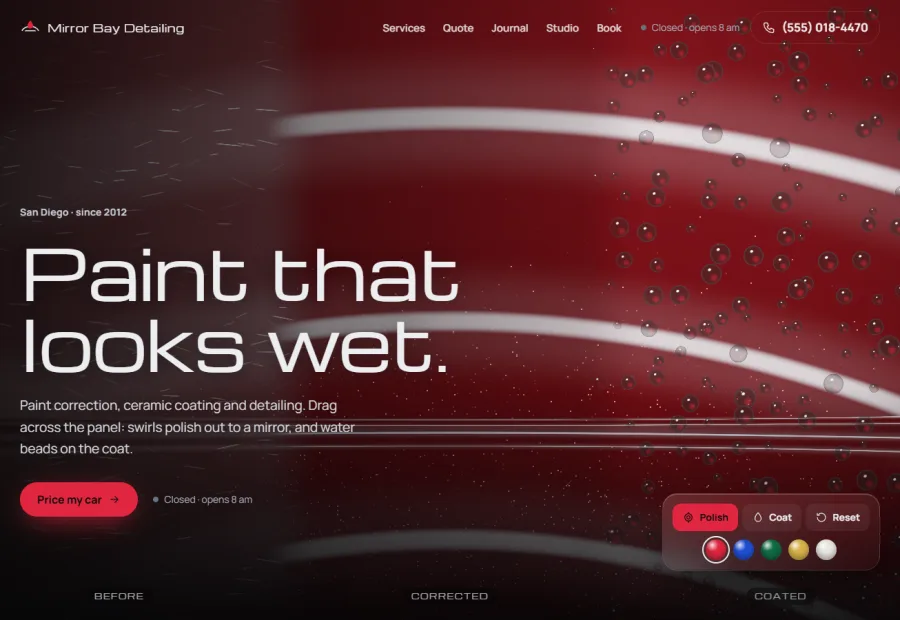
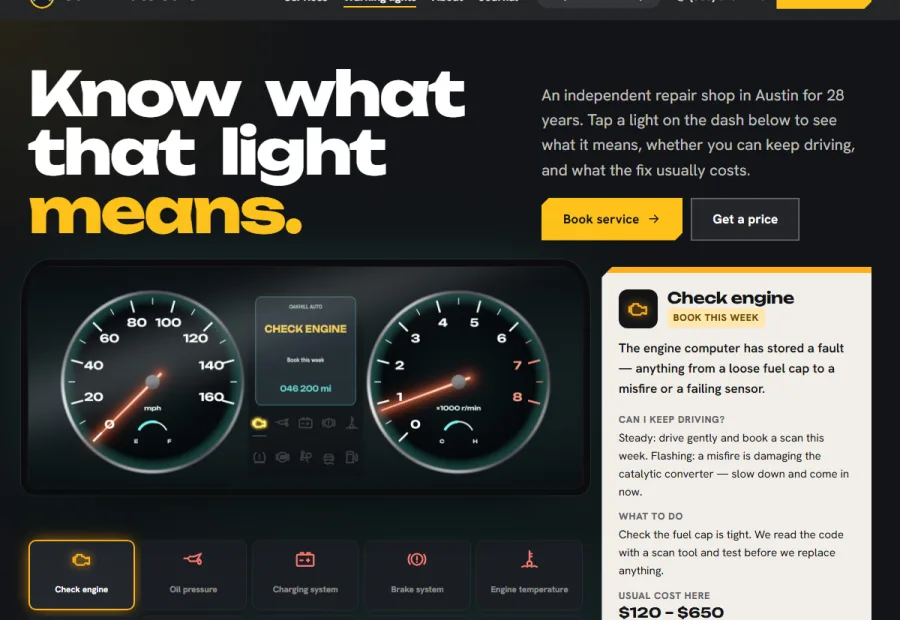
Five numbers retarget the whole site to another industry. Cadence runs on a five-variable design-token system — hue, chroma, scale ratio, radius and density — set live in the Customizer, with six built-in industry presets built from that same token set. A GPU ambient background layer reads the identical tokens rather than a hand-matched decoration, and the theme ships a genuine light/dark pair with container-query components and CSS subgrid layout underneath.
 Open live preview ↗
Overview
Cadence’s entire visual identity is a function of five numbers set in the Customizer: hue, chroma, typographic scale ratio, corner radius, and density. Change any one of them with live preview on and the whole site retargets together — typography, colour, spacing, and even the GPU-rendered ambient background layer, because that background is derived from the identical token set rather than hand-picked to merely match. Six industry presets ship out of the box, so a single install can credibly stand in for six different businesses without a redesign. Underneath the token system sits a genuinely current CSS stack: a real light/dark pair (not a colour-inverted afterthought), container-query components that respond to their own box rather than the viewport, and CSS subgrid for layout alignment across nested grids. Where Kiln’s other general-purpose theme, Facet, retargets through five fixed presets, Cadence retargets continuously through five live sliders — a different, complementary approach to the same problem of one theme serving many industries.
What's included
- Full theme source — every template, style sheet & script
- One-click demo importer (idempotent, no page builder)
- Live Customizer controls for copy, colours & content
- Translation-ready .pot file + RTL stylesheet
- HTML documentation + a CHANGELOG file
- Lifetime updates + 6 months support (renewable)
Specifications
| WordPress | 5.6 – 7.0 |
|---|---|
| PHP | 8.0 – 8.3 |
| Browsers | Chrome, Firefox, Safari, Edge (latest) |
| Layout | Fully responsive, mobile → desktop |
| Localization | Translation-ready · RTL included |
| Accessibility | Keyboard-navigable · prefers-reduced-motion |
| Page builder | Not required — native Customizer |
| License | GNU GPL v2 · single-site commercial |
Release
The complete, dated version history ships in the theme’s CHANGELOG file. Every purchase includes lifetime access to future updates.